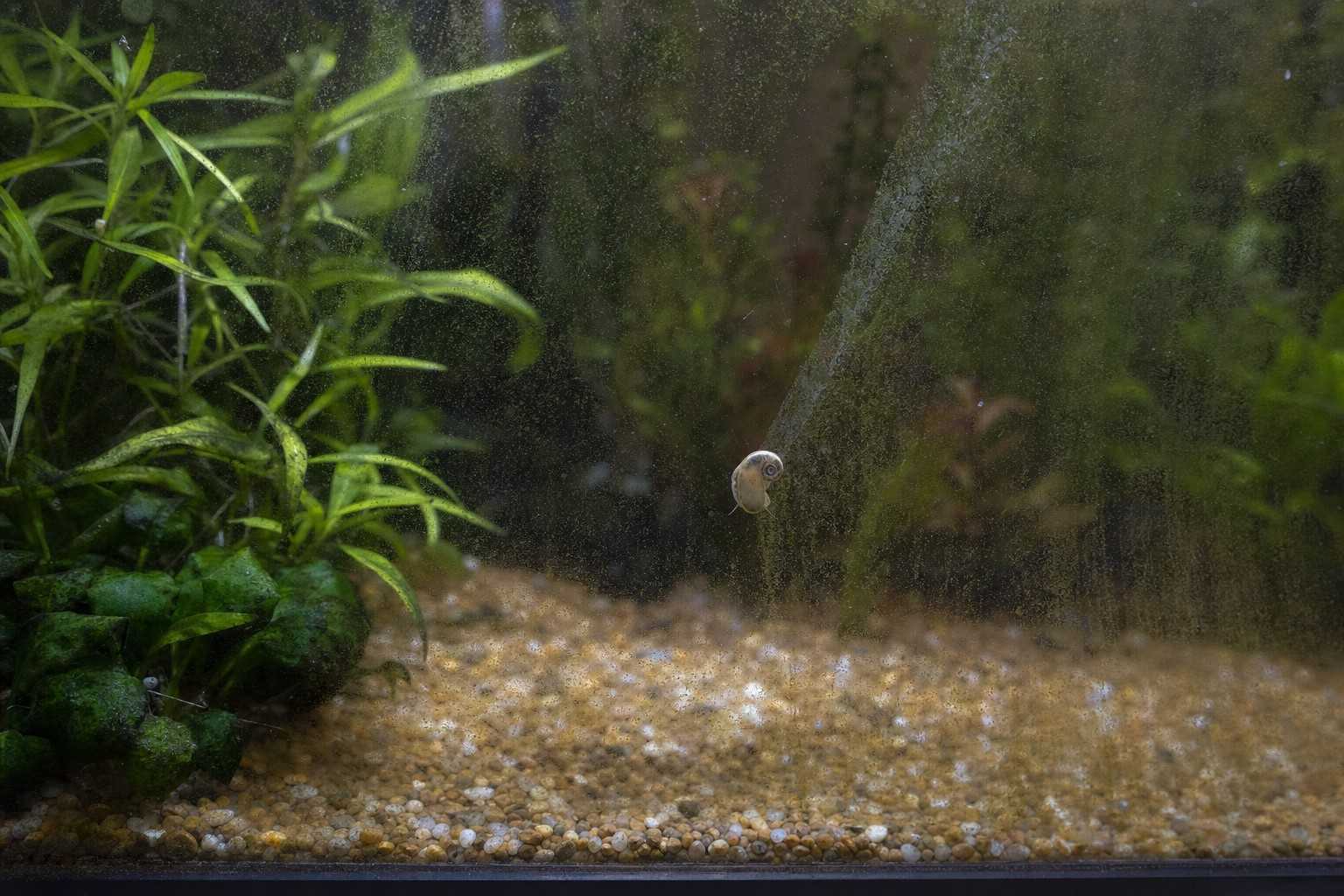
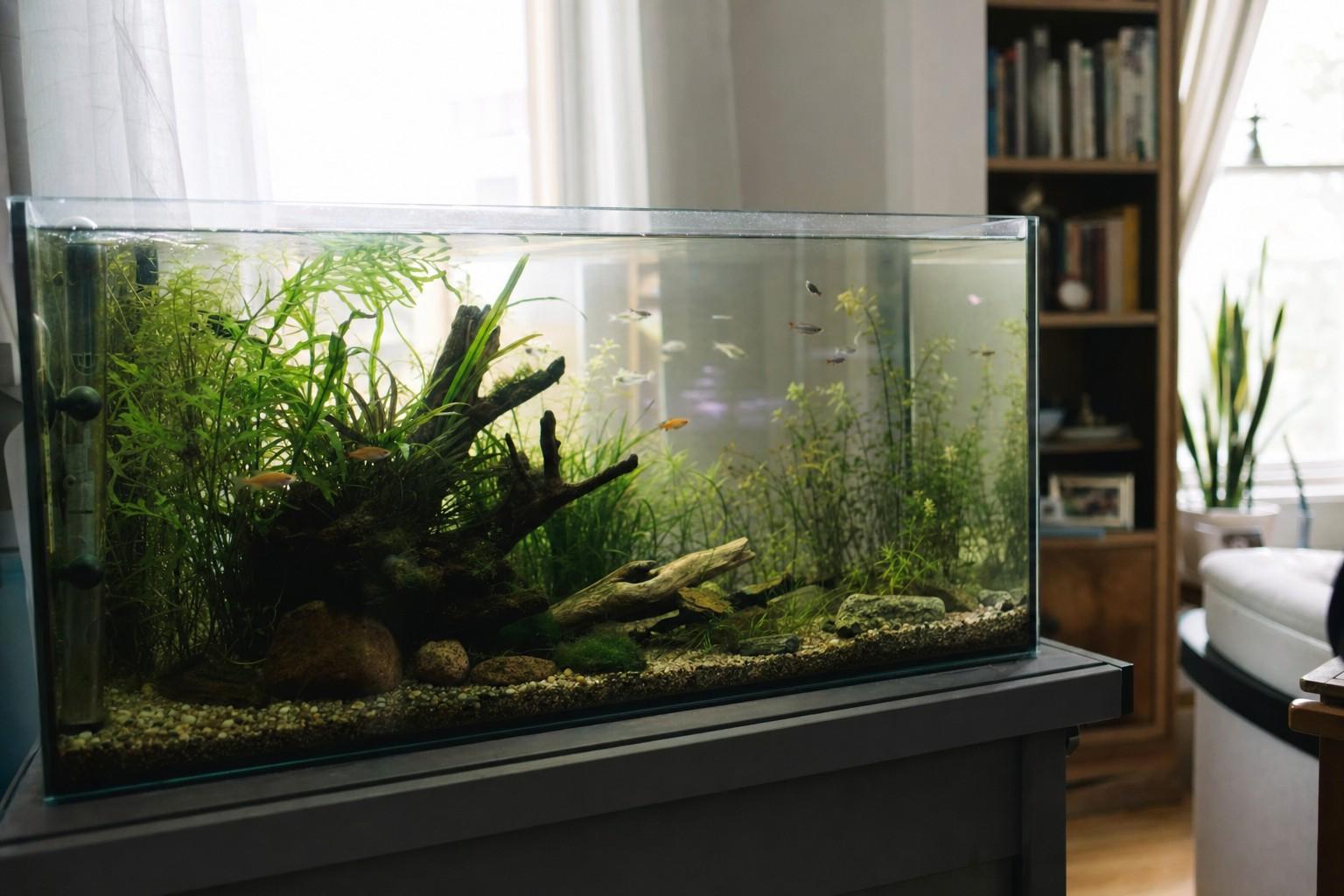
The fish are still the same. Almost everything around them is different.
If you kept a tank as a kid, or in a dorm, or in a first apartment sometime between the 1990s and the early 2010s, the hobby you remember has quietly modernized. The gear got cheaper and quieter. The standard advice got better. The fundamentals, though, did not move an inch.
Freshwater fish remain one of the most commonly kept pets in the country. The American Pet Products Association’s National Pet Owners Survey has tracked them in millions of US households for years. You are not coming back to a dead hobby. You are coming back to a calmer, better-equipped version of the one you left.
So here is the honest tour: what changed, what didn’t, and what the version of you from twenty years ago already got right.
The Gear On The Shelf Looks Nothing Like It Did

Walk down the aquarium aisle today and the first thing you notice is light.
Those long fluorescent tubes that hummed and ran warm are mostly gone. LED lighting has replaced them across the board, and it is the single biggest hardware change since you left. LEDs cost less to run, stay cool to the touch, and last for years instead of fading after a season. A basic clip-on or hood light now grows live plants in an ordinary setup, no special fixture required.
That last point matters more than it sounds. Live plants used to feel like expert territory. They are normal now.
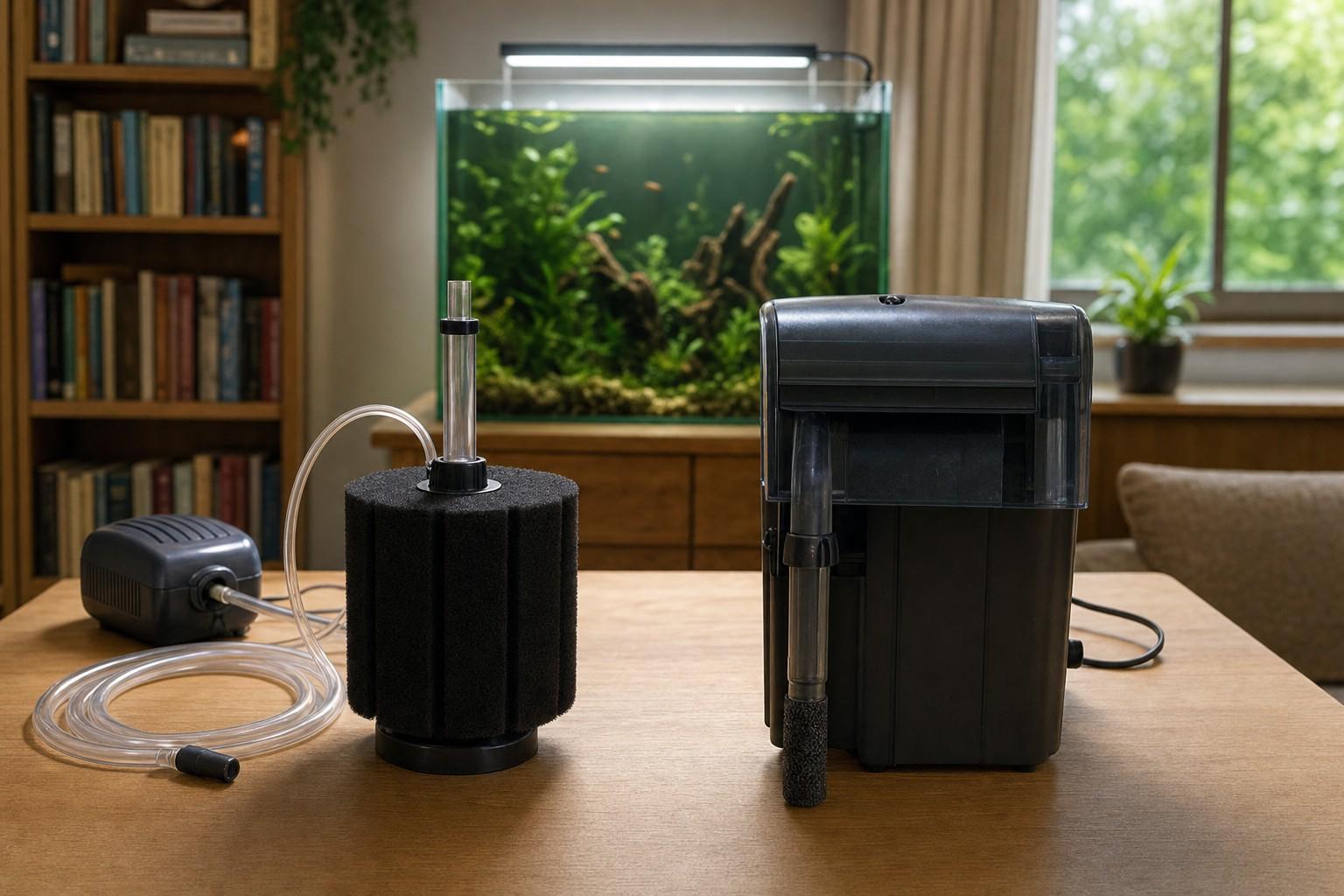
The filtration changed too. Modern hang-on-back and internal filters run quieter and move water more gently than the rattling units you remember. The old air pump that buzzed all night on a nightstand is no longer the only option.
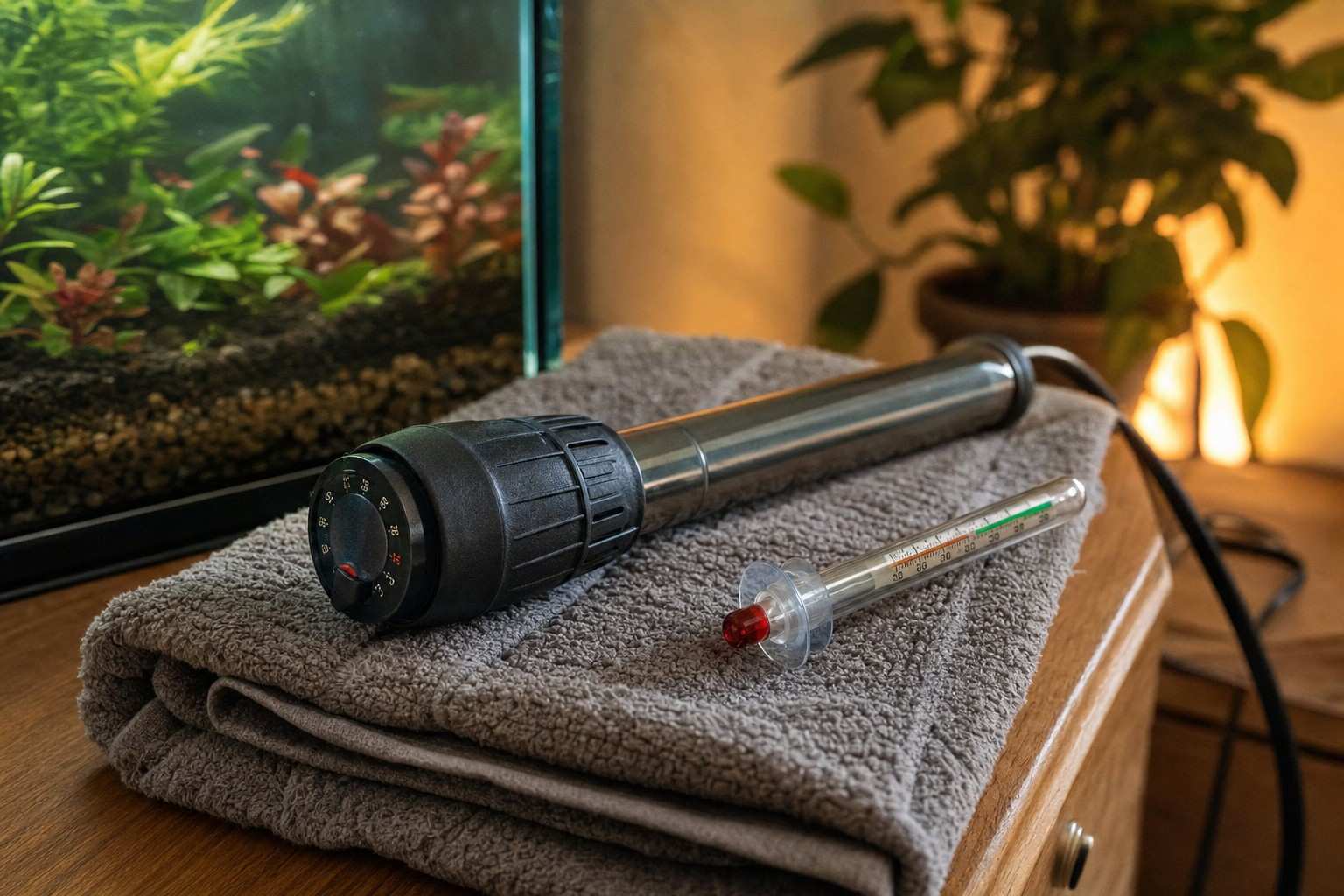
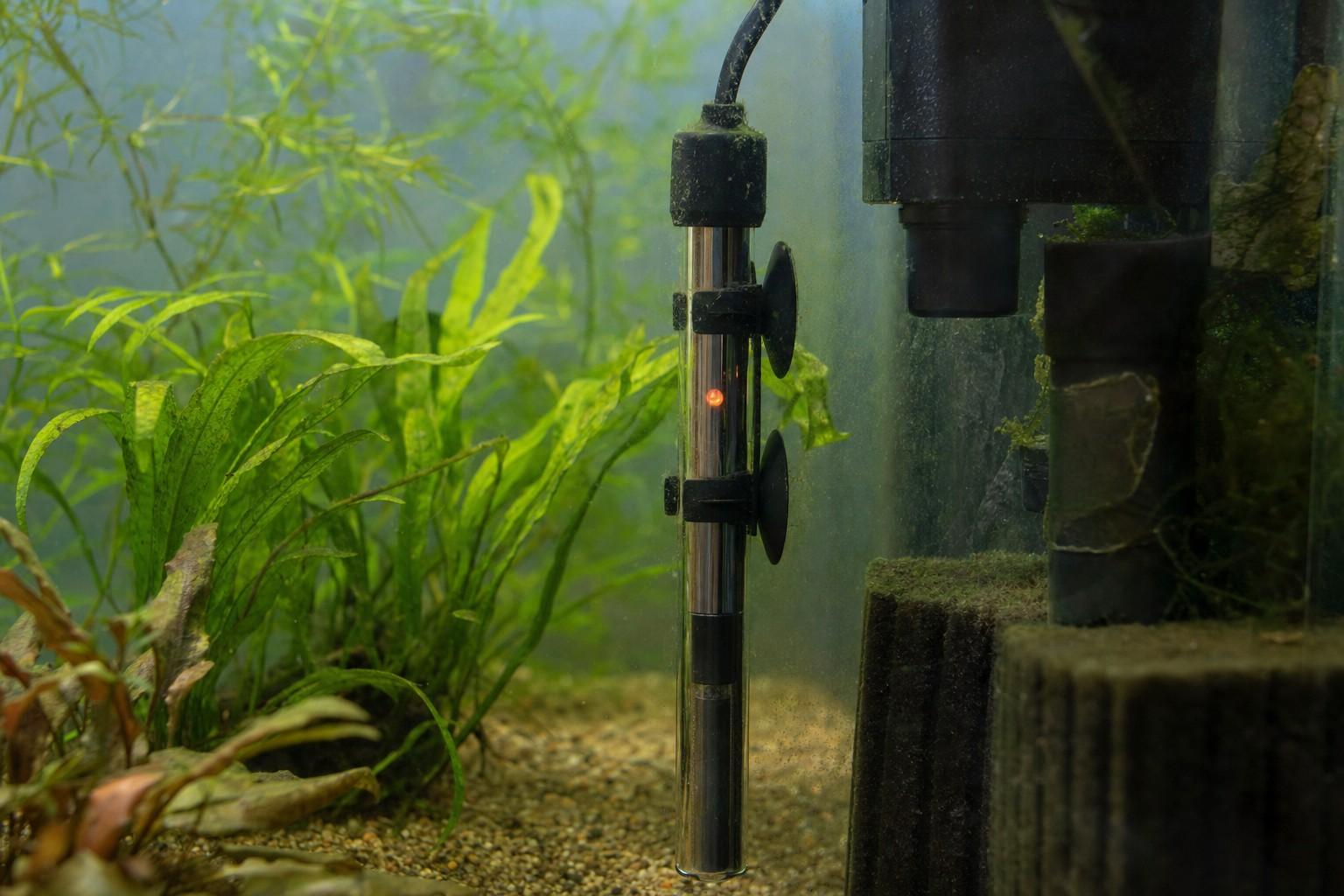
Running costs are modest but real, and worth knowing before you buy. A tank draws power for the light, the filter, and a heater, plus the slow drip of replacement parts and water conditioner. None of it is dramatic, but it adds up over a year, and it is worth a look at what a tank actually costs to run before you commit to a size.
The basic economics, for what it’s worth, are unchanged. A tank is a modest hobby that rewards patience over spending.
Fishless Cycling Is The New Standard, And It Changes Everything
Here is the change that should genuinely reassure you.
Back when you started, the common advice was to add a few hardy “starter” fish to a brand-new tank and let them tough out the first few weeks. Many of those fish died. If you lost fish in your first month years ago, that was very likely the era’s standard advice failing you, not you failing the fish.
The hobby now teaches fishless cycling instead. You feed the tank a source of ammonia with no animals in it, grow the bacteria that process waste, and only add fish once the water tests clean. Nothing has to suffer through the dangerous part.
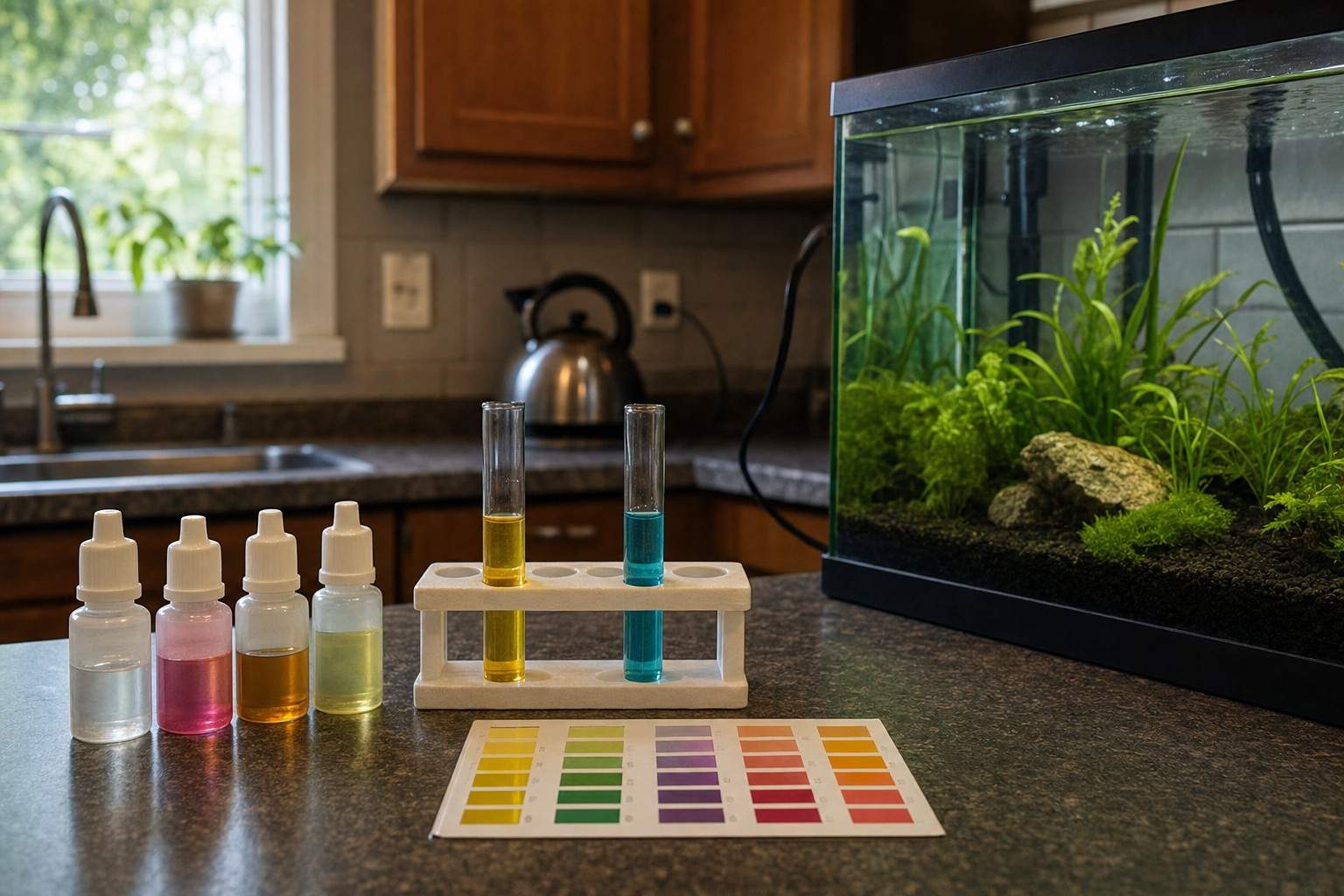
The understanding behind it went mainstream too. The nitrogen cycle is no longer obscure chemistry buried in a forum thread. It is explained plainly almost everywhere, and liquid test kits to track it are cheap and widely sold.
Cycle the tank before you buy the fish. That principle was always true. The difference is that today the hobby actually hands you a humane way to do it.
It still takes time. University extension sources and hobby guides commonly put a full cycle at roughly four to eight weeks. That part of the math hasn’t changed, and it can’t be rushed.
You feed the tank a source of ammonia with no animals in it, grow the bacteria that process waste, and only add fish once the water tests clean. Nothing has to suffer through the dangerous part.
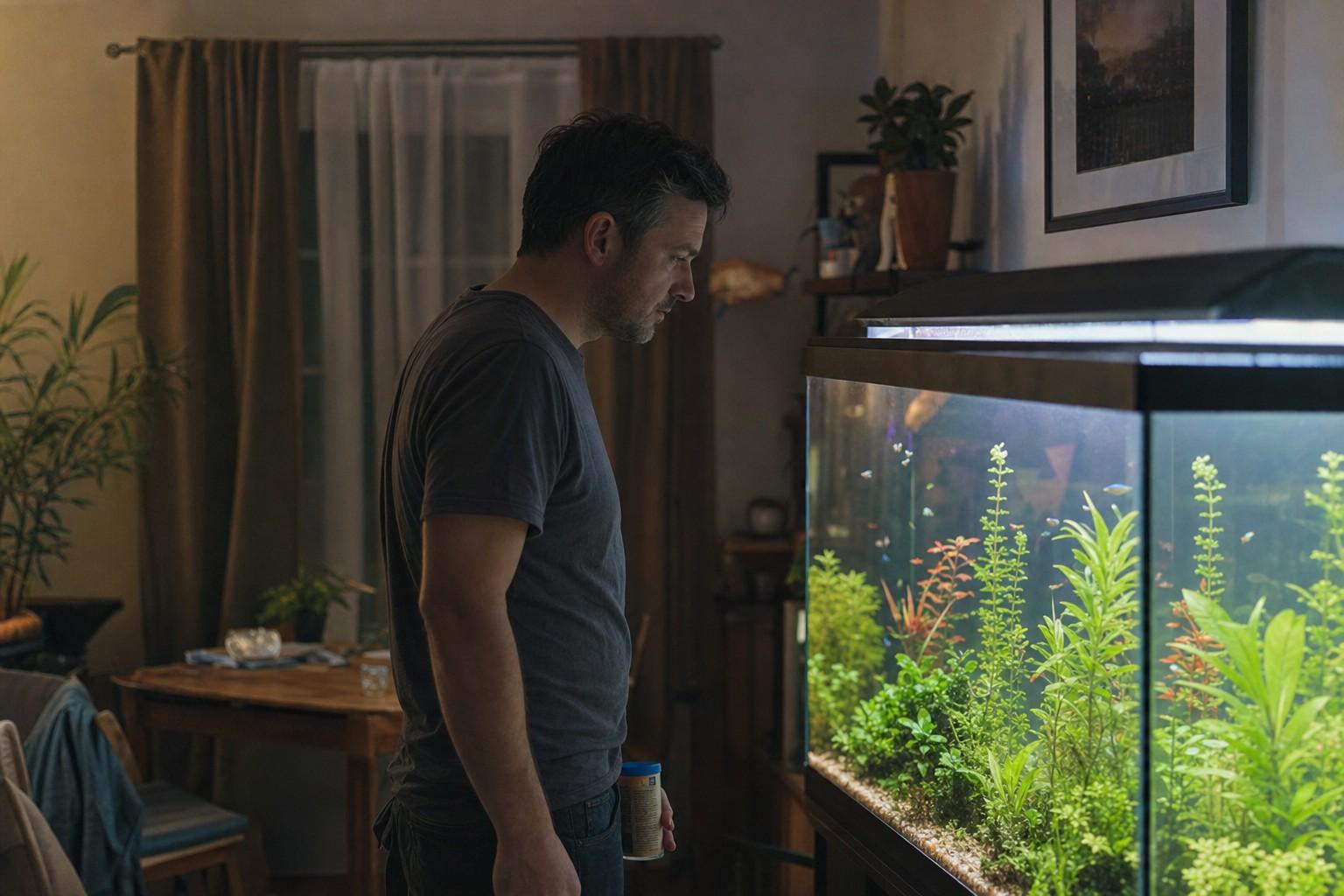
The fear of killing the fish is the most common reason returners hesitate. It deserves a straight answer: most early losses are water problems, not personal failures, and the modern method removes the riskiest part entirely.
Information Is Everywhere Now, Which Is A Mixed Blessing

The old forum era had one strength. You found a community, asked a question, and got a slow, considered answer from a handful of regulars.
That world is mostly gone. In its place is everything, all at once: videos, articles, marketplace listings, and a dozen confident voices for every question. The bottleneck is no longer finding advice. It is sorting good advice from bad.
This is the part that trips up returners most. You will hear that nano tanks are the easy modern way in, that a five-gallon cube on a desk is perfect for a beginner. Nano setups are a real and popular trend, and a small planted tank can look wonderful.
But the old rule holds. A bigger tank is easier to keep than a small one. Small water volumes swing fast: temperature, ammonia, and pH all move quicker in less water, so a small mistake hits harder. If you want the gentlest restart, a 20-gallon forgives what a 5-gallon punishes.
That doesn’t mean small is off the table. It means going in with eyes open, and it’s worth understanding what a nano aquarium really asks of you before a cute desktop cube talks you into it.
One thing the internet did genuinely improve: planning around real life. The low-tech planted tank movement made stable, low-maintenance setups normal, and there is now plenty of honest guidance on questions like whether a tank can be left alone over a vacation. The answer is mostly yes, with a little prep.
What Hasn’t Changed At All
Strip away the new gear and the same handful of truths run the whole hobby.
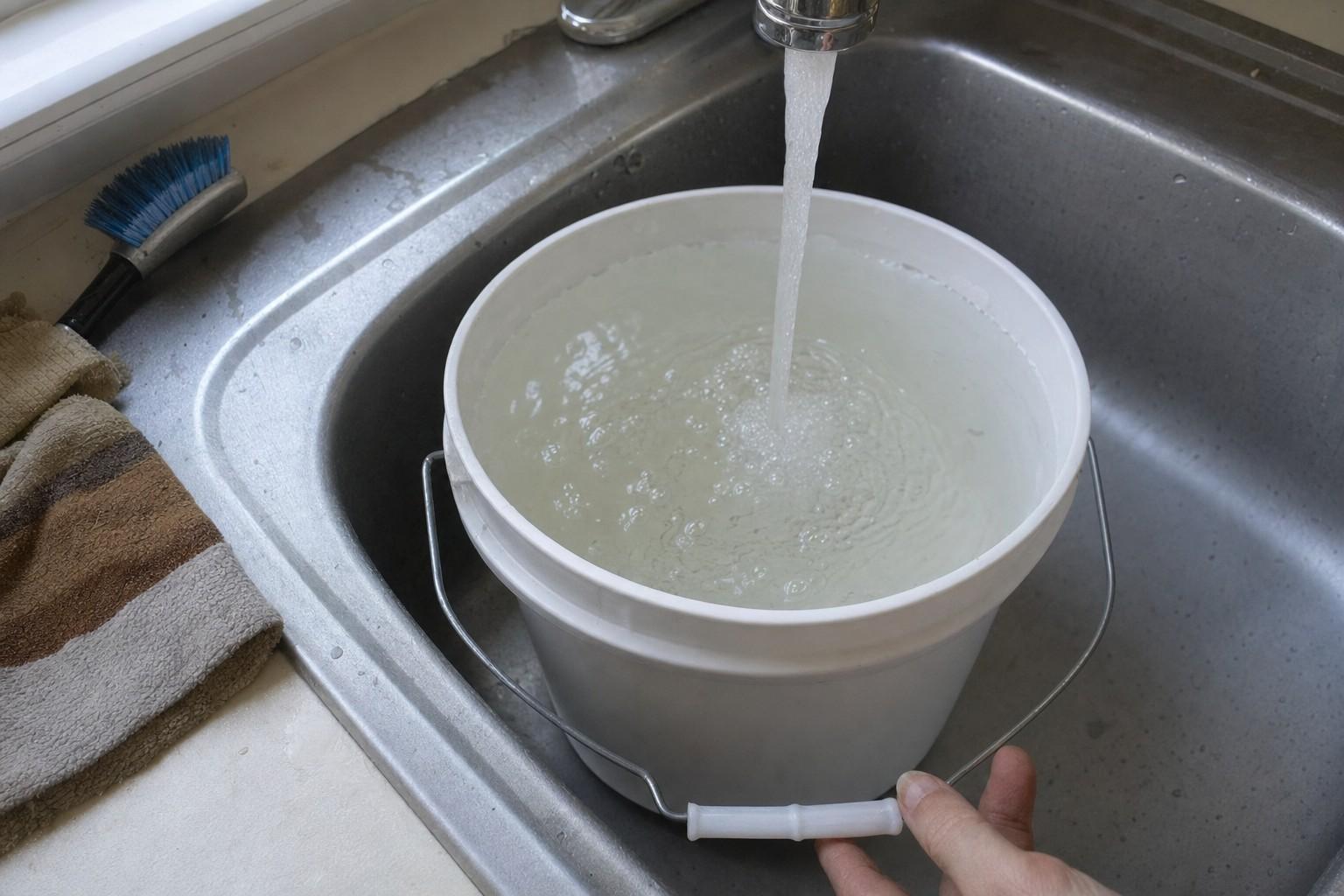
Patience still wins. A tank still needs to mature before it is stable. A stable tank beats an impressive one, and stability is still bought with regular partial water changes, not gadgets.
The nitrogen cycle itself is unchanged. It was always the engine, and it always will be. Fish still produce waste, bacteria still process it, and you still manage the result with water changes and a little testing.
The basic rhythm of ownership is the same too. A small weekly habit keeps a tank healthy. Neglect still shows up in the glass within a couple of weeks.
And the core principle behind all of it hasn’t aged a day: an aquarium should be a calm corner of your home, not a second job.
What Your Old Knowledge Is Actually Worth
More than you think.
The fundamentals you learned years ago still transfer directly. You already understand that water quality is the whole game, that fish need stable conditions, that you can’t rush a new tank. What changed is mostly the gear and the recommended methods, not the underlying biology. That biology is exactly the part you already know.
What you mainly have to update is the toolkit. Swap fluorescent thinking for LED. Swap “starter fish” for fishless cycling. Add a liquid test kit, which the hobby now treats as basic equipment rather than an extra.
Your instincts about livestock still apply, including the simple truth that fish are a multi-year commitment when they are kept well. If you’re weighing what to stock, it helps to know how long common aquarium fish actually live so the tank fits the commitment you want.
So treat the return as an upgrade, not a restart from zero. The hard-won lessons carried over. The frustrating parts got easier.
The fish are still the same. This time, almost everything else is on your side.