
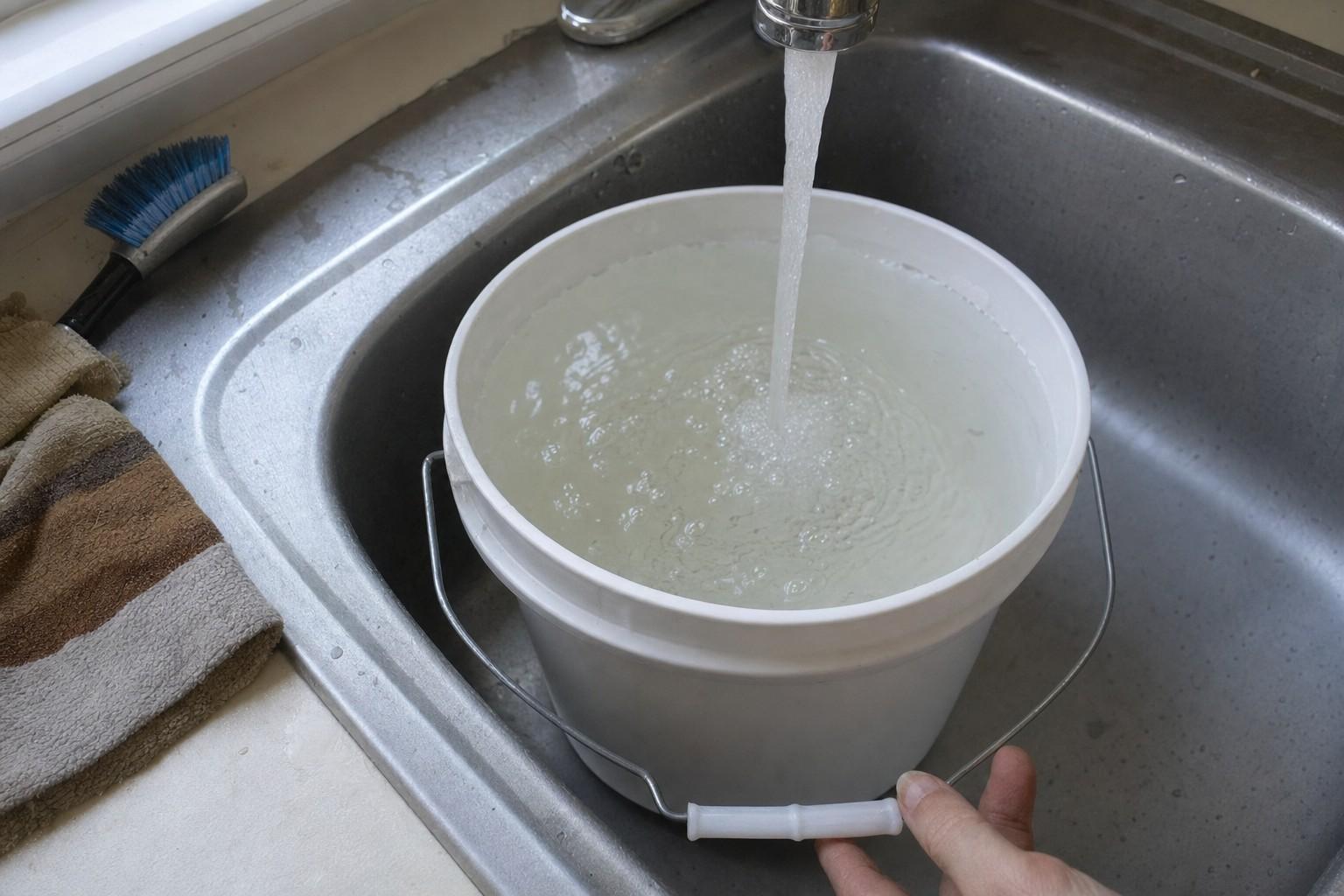
The water that’s safe enough to drink is not automatically safe enough for fish.
Municipal treatment plants add chemicals to kill bacteria before water ever reaches a tap.
Those same chemicals are the first thing a new aquarium has to deal with, long before a single fish goes in.
Untreated tap water is one of the most common, and most avoidable, causes of early fish losses.
Most of it comes down to two chemicals, and one habit that used to work and no longer does.
What’s Actually in Your Tap Water
Two disinfectants do this job in US water systems: chlorine and chloramine.
Chlorine is the older, more familiar one.
Chloramine is newer, and it’s formed differently.
- Chlorine is added on its own, and it breaks down fairly quickly once exposed to air.
- Chloramine is made by adding ammonia to chlorine, according to the EPA. That combination is far more stable and stays active longer.
Utilities have used chloramines since the 1930s.
More than one in five Americans already drink water treated with chloramine, according to the EPA.
Many utilities choose it because chloramine holds its disinfecting power longer as water travels through miles of pipe.
Whichever one your utility uses, the water leaving your tap was never designed with fish in mind.
Why “Let It Sit Overnight” Doesn’t Work Anymore
For decades, the standard advice was simple: fill a bucket, let it sit uncovered for a day, and the chlorine would gas off.
That trick still works, but only for chlorine.
Letting water stand does not remove chloramine.
The University of Florida’s IFAS Extension is explicit that this method, effective for plain chlorine, does not work for chloramine.
If you kept a tank years ago, your water utility may have since switched to chloramine.
That old habit can leave a fish tank sitting in water that never actually got safe.
Hobbyists commonly describe a faint chlorine smell fading from a freshly filled bucket within an hour or two.
With chloramine, that fading smell is a false signal.
The chemical is still there even after the odor is gone.
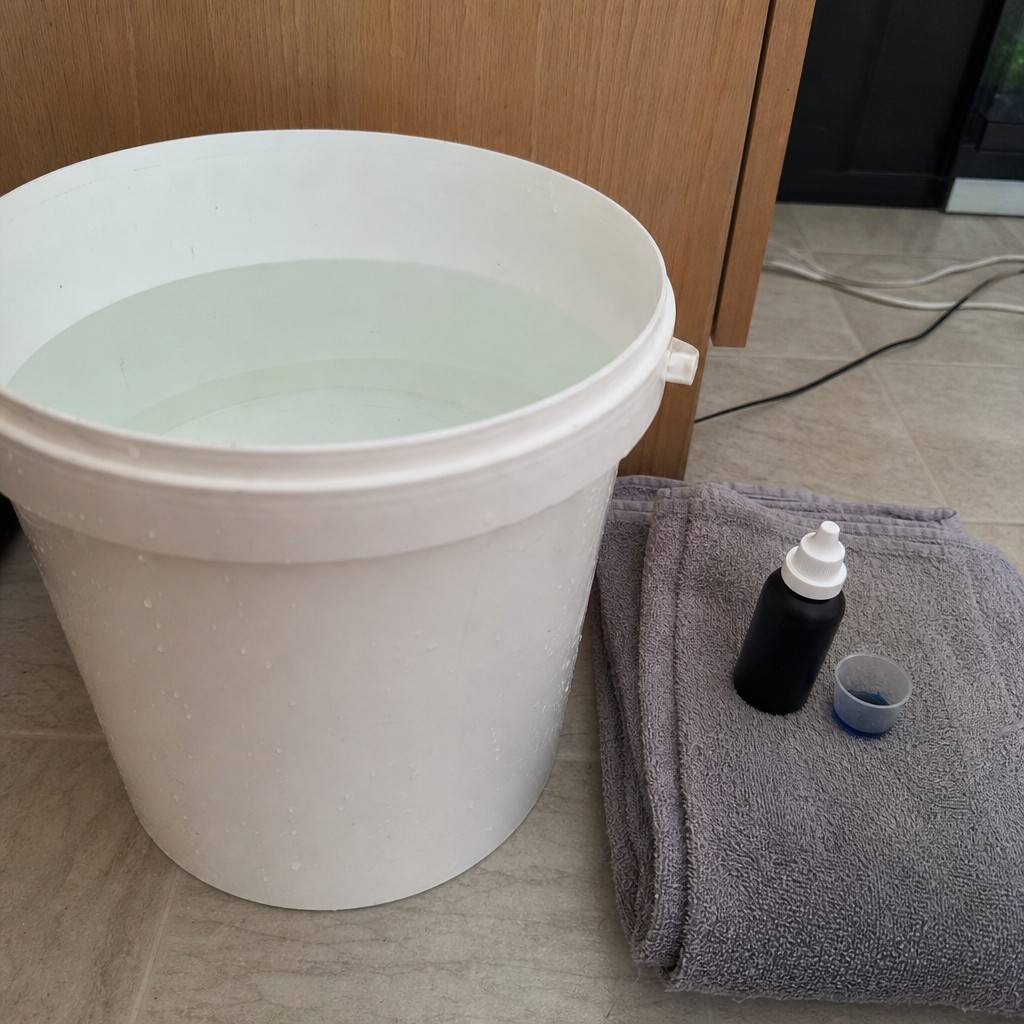
The fix is a water conditioner, not patience.
Sodium thiosulfate, the active ingredient in most dechlorinators, neutralizes chlorine instantly, according to IFAS.
The same bottled conditioners are formulated to break down chloramine as well.
It’s worth keeping a bottle of aquarium water conditioner on hand for every water change, not just the first one.
What Chloramine Does Inside a Fish
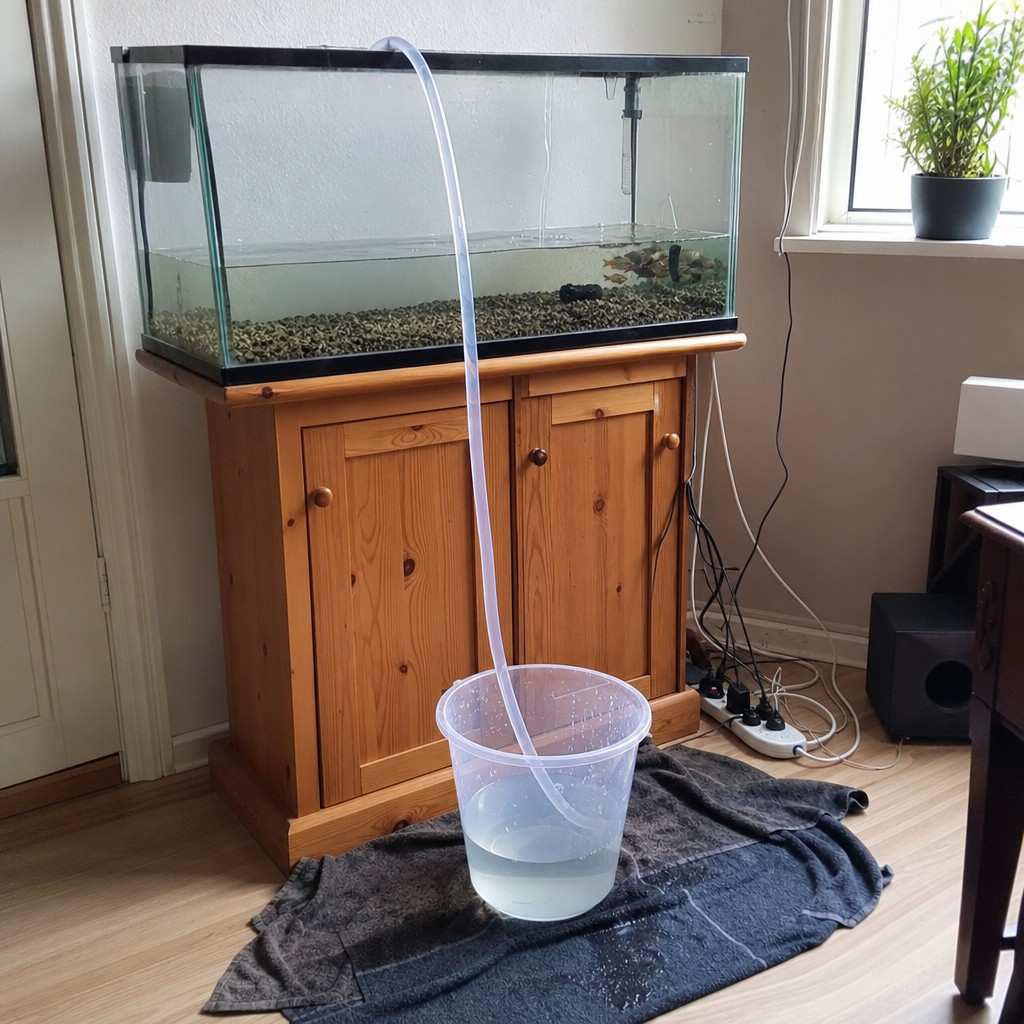
This isn’t a minor inconvenience for the fish.
IFAS states plainly that even a slight trace of chlorine can be fatal to aquatic life, and that chloramine is very toxic to fish.
The University of Nebraska-Lincoln Extension describes the mechanism: chloramines pass through the gills into the bloodstream and bind with hemoglobin, reducing the blood’s ability to carry oxygen.
It explains why fish in untreated water often act like they can’t get enough air.
Extension guidance puts the safe threshold at well under 0.1 ppm of chloramine residual in water meant for fish.
Tap water needs to be treated every time, not just checked by smell or by eye.
Chloramine doesn’t spare the tank’s beneficial bacteria either.
The same colony that carries a tank through the nitrogen cycle is just as exposed to untreated water as the fish are.
Hardness and pH Matter Too
Chlorine and chloramine aren’t the only things that vary by address.
Tap water also carries dissolved minerals that set its hardness and its baseline pH, and those numbers differ from one water utility to the next.
Some popular aquarium fish do best in soft, slightly acidic water.
Others come from harder, more alkaline conditions and hold up poorly outside that range.
Neither is universally “better.”
The water coming out of your tap is not a flaw to correct, it’s a starting condition to plan around.
A sudden, unexplained hardness or pH swing can produce some of the same stressed-fish signs as cloudy water does.
Fish hang near the surface, appetite drops, the tank just looks “off.”
Chasing the chemistry back to what it should be usually causes more disruption than leaving it alone.
Test Your Tap Water Before You Test Your Tank
Buy the test kit before you buy the fish.
That principle applies to the tap as much as it does to the tank.
Most beginners test the aquarium once it’s running and skip the source water entirely.
That order is backward.
A liquid test kit reads the tap the same way it reads a tank, and testing the tap first tells you what you’re starting from.
A basic tap-water test typically shows:
- Whether chlorine or chloramine is present, and roughly how much.
- Baseline pH, before any substrate or decor has a chance to shift it.
- General hardness, which points toward fish that will suit the water without a fight.
Utilities publish annual water quality reports, but local treatment can still vary by neighborhood and by season.
Testing your own tap costs a few dollars and settles the question directly, rather than assuming the citywide average applies to your address.
It’s also worth comparing aquarium water conditioners before settling on one, since dosing and chloramine coverage vary by brand.
Pick Fish That Fit the Water You Have
Once the tap is treated and tested, there’s still a choice to make about which fish go in it.
Keep fish that match your tap water, not fish that need you to fight it.
Chasing water chemistry into an unnatural range for the sake of one species is a constant, fragile project.
Picking species suited to the water already on hand is not.
A fish chosen to match your existing water needs far less correction to stay healthy long term.
That’s the calmer path, and it’s usually the more successful one too.
What to Actually Do
Treating and testing the water takes minutes, and it’s the step most new-tank losses trace back to skipping.
- Test your tap water before you fill or refill the tank, not after.
- Condition every water change with a dechlorinator, not just the first fill.
- Match your fish choices to the water you actually have, rather than trying to re-engineer it.